
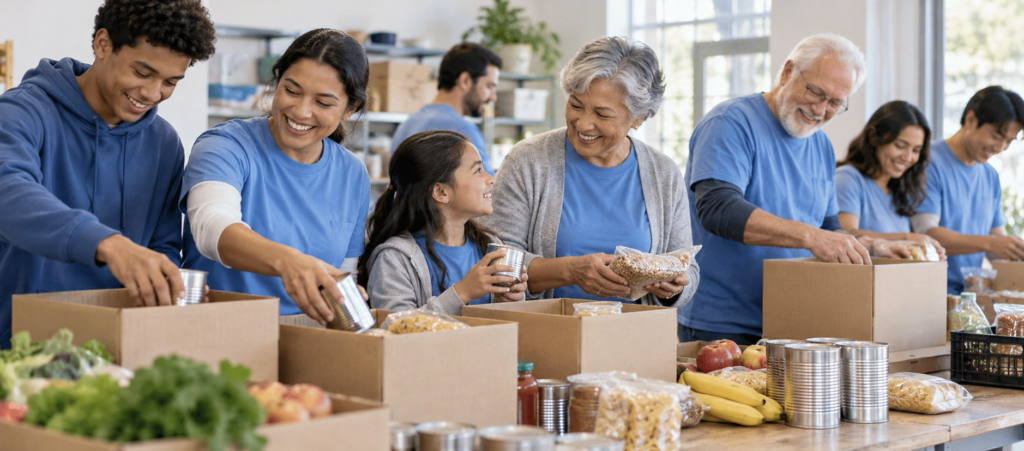
Community Service and Connection: How Volunteering Creates Friendship and Purpose
Finding community service and volunteer opportunities can open the door to meaningful relationships, shared purpose, and a stronger community.
People often begin volunteering because they want to help. Along the way, many discover something equally valuable: connection. Working beside others toward a shared goal creates natural opportunities for conversation, trust, friendship, and belonging.
This can be especially meaningful for people experiencing a major life change. Retirement, relocation, bereavement, caregiving, divorce, or children leaving home can disrupt familiar routines and relationships. Volunteering offers a gentle way to become involved again without the pressure of immediately forming a close friendship.
Shared purpose makes connection easier
Meeting new people can feel uncomfortable when there is no obvious reason to talk. Volunteer activities provide a shared task and a common purpose. People may prepare materials, welcome participants, make phone calls, assist at an event, visit an older adult, or help organize transportation. Conversation develops naturally while everyone contributes.
Repeated service also creates familiarity. Seeing the same people each week or month allows relationships to grow gradually. A greeting becomes a conversation; a conversation becomes trust; and trust can become friendship.
Volunteering supports both the giver and receiver
The primary purpose of volunteering is to serve others, but volunteers can also experience benefits. Service may provide structure, a sense of usefulness, opportunities to learn, and greater connection to the community. For someone who feels lonely, having a meaningful role can be an important reminder that their presence and abilities matter.
The World Health Organization’s 2025 report on social connection highlights the importance of community-level opportunities that make participation and belonging possible. Volunteer programs can be one practical part of that response when they are welcoming, accessible, and designed around respectful relationships.
There are many ways to contribute
Volunteering does not need to require a large amount of time, physical strength, or professional experience. Different people can contribute in different ways:
- Make friendly check-in calls to people who live alone.
- Welcome newcomers at a support group or community event.
- Help with transportation, registration, or event setup.
- Share a hobby such as music, reading, gardening, crafts, or games.
- Prepare cards, care packages, or encouraging messages.
- Offer administrative, fundraising, or social-media assistance to a nonprofit.
Creating volunteer experiences where everyone belongs
Organizations can strengthen connection by learning each volunteer’s interests, abilities, schedule, and comfort level. Clear instructions, warm introductions, and regular appreciation help volunteers feel confident and valued. Pairing new volunteers with experienced participants can also make the first few visits less intimidating.
Accessibility matters as well. Remote opportunities, flexible schedules, short assignments, and roles for people with limited mobility allow more community members to participate. When programs welcome different ages, backgrounds, and abilities, volunteers can form relationships they might never have encountered in their usual routines.
One act of service can start a lasting connection
A volunteer may arrive expecting to give an hour of time and leave having shared a laugh, learned a story, or found a new friend. These moments may appear small, but they help build the kind of community in which people look out for one another.
Friendship Support Network believes that everyone has something valuable to offer. By volunteering, people can help reduce isolation while discovering renewed purpose and connection in their own lives. When service brings people together, both the individual and the community become stronger.