
Making Connection a Habit: Simple Social Routines for Older Adults
Category: Friendship and Social Connection
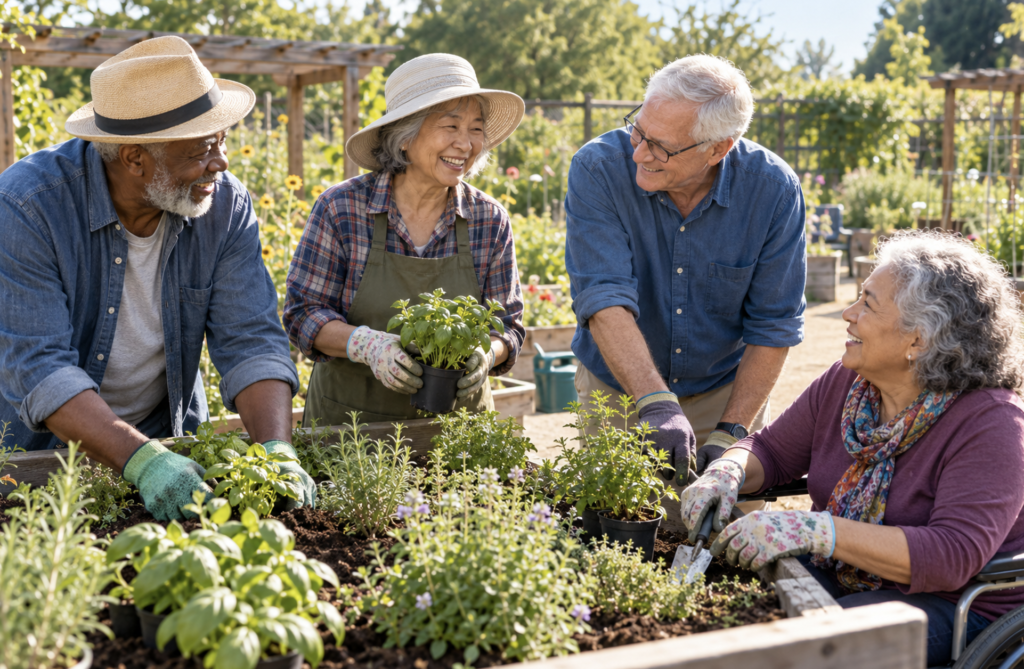
Social connection for older adults does not always begin with a large gathering or an instant friendship. It often grows from small routines: seeing the same people at a weekly class, greeting a neighbor during a morning walk, attending a faith gathering, or returning to a community garden. Familiarity gives conversation another chance to begin, and repeated contact can gradually turn familiar faces into trusted companions.
The Centers for Disease Control and Prevention describes social connectedness as meaningful, consistent, and supportive interaction. For older adults, creating a dependable rhythm of contact can make connection feel more natural and easier to maintain.
Start With Something You Already Enjoy
An activity is easier to continue when it already fits your interests. Instead of asking, “Where can I meet people?” try asking, “What would I enjoy doing alongside other people?” The answer might be gardening, music, crafts, reading, cooking, walking, cards, faith-based activities, or learning something new.
Shared interests provide an easy starting point for conversation. People can talk about the activity in front of them rather than feeling pressure to introduce themselves perfectly or share personal information too soon.
Choose a Routine You Can Repeat
One-time events can be enjoyable, but recurring activities create more opportunities for trust to grow. Look for something that meets at a realistic time and place. A monthly library program may be more sustainable than a weekly activity across town. An online group may be useful when transportation, weather, mobility, or caregiving responsibilities make travel difficult.
- A regular walk with one neighbor or friend
- A weekly senior-center class, community meal, or hobby group
- A recurring phone or video call with relatives or longtime friends
- A faith-community activity or small discussion group
- A library, recreation-center, or community-garden program
Consistency matters more than filling the calendar. One dependable point of contact can become the foundation for other relationships.
Use Small Openings for Conversation
Friendship rarely begins with a deep conversation. It begins with recognition. Say hello to the person you saw last week. Ask how long they have attended the group, what they enjoy about it, or whether they have tried another local activity. Remembering a small detail—someone’s favorite author, a grandchild’s visit, or the tomatoes they planted—shows care and makes the next conversation easier.
If you enjoy someone’s company, offer a simple next step: “Would you like to sit together next time?” or “Would you like to have coffee after the class?” Clear, low-pressure invitations are often easier to accept.
Make the Routine Accessible
Connection becomes difficult when practical barriers are ignored. Consider transportation, hearing, vision, mobility, cost, timing, and energy. Ask whether a program offers accessible entrances, seating, transportation, large-print materials, virtual participation, or a quieter space for conversation. A friend or family member may be able to accompany someone for the first visit.
If an activity no longer fits, adapt it instead of giving up on connection. A gardening group might become a seed-sharing visit. An in-person book club might become a phone conversation. The form can change while the relationship continues.
Let Belonging Grow Gradually
Not every interaction will become a close friendship, and that is normal. Social well-being can include several kinds of connection: a close friend, a helpful neighbor, a familiar group, and a place where people know your name. Together, these relationships create a wider sense of belonging.
The most useful social routine is not the busiest one. It is the one that feels welcoming enough to return to. By choosing an enjoyable activity, attending consistently, and taking small conversational steps, older adults can create more opportunities for companionship, support, and community in everyday life.
This article provides general, supportive education. It does not diagnose a condition or replace professional health or mental-health care.
References
These sources informed the educational content above. Publication or review dates are included when the publisher provides them.
1. National Council on Aging. May 26, 2026. The Benefits of Staying Connected as You Age
2. Office of Disease Prevention and Health Promotion, U.S. Department of Health and Human Services. September 2025. Helping Older Adults Take Charge of Their Social Well-Being
3. Centers for Disease Control and Prevention. Publication date not listed; accessed October 2, 2026. Information for Older Adults: Still Going Strong